
- The Specific Functions of Cables in Cable Branch Boxes
- 2015/9/16 DAYA Electric
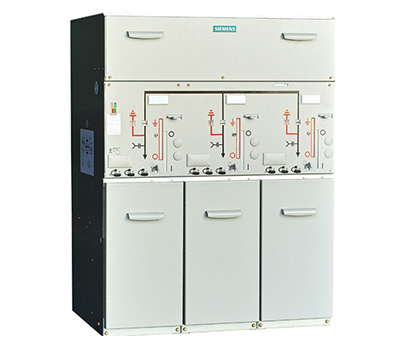
Since a cable branch box cannot directly operate each circuit and is only used for cable branching, its main function is to tap or transfer cables. Below is an analysis of the specific functions of the cables in a cable branch box!
(1) Cable tapping function: Using multiple small-cross-section cables on a relatively long line often leads to waste of cable resources. Therefore, when supplying power to electrical loads, a main large-cross-section cable is usually used for outgoing lines. Then, when approaching the loads, a cable branch box is used to split the main cable into several small-cross-section cables, which are connected to the loads. This wiring method is widely used for power supply to street lamps and small users in urban power grids.
(2) Cable transfer function: On a relatively long line, if the length of a single cable cannot meet the line requirements, cable joints or cable transfer boxes must be used. Usually, intermediate cable joints are adopted for short distances. However, for lines longer than 1000 meters (based on experience), if there are multiple intermediate cable joints in the line, a cable branch box will be considered for transfer to ensure safety.
This article is compiled and edited by DAYA Electric Group Co., Ltd. (//yardscreeksoaring.com/). Please indicate the source when reprinting.- Types of Cable Distribution Boxes (Part 1)Brief Introduction to the Professional Committee of Solid Insulated Ring Main Units
中文版
Service Hotline:0577-67391666