
- The Differences Between High-Voltage Cable Distribution Boxes and High-Voltage Cable Connection Boxes
- 2015/9/23 DAYA Electric
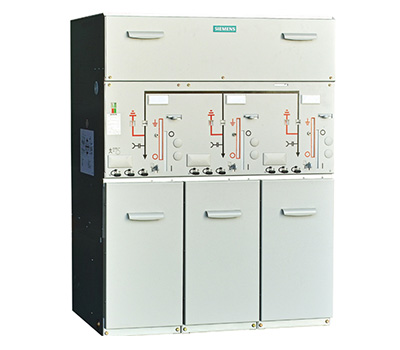
For beginners, it is believed that a large number of people do not have a clear understanding of high-voltage cable distribution boxes and high-voltage cable connection boxes, and it is easy to confuse them—this can be said to be the experience of someone who has been through it. Initially, I confused them several times. To help everyone gain a clear understanding, here the editor will introduce the differences between high-voltage cable distribution boxes and high-voltage cable connection boxes.
Regarding high-voltage cable distribution boxes, there are many types, including those with vacuum switches, SF₆ switches, American-style live pluggable ones, and European-style straight-in straight-out ones. Generally, those with switches are equipped with grounding devices themselves; for those without switches, simply remove the rear plug of the cable connector, verify that there is no electricity, and then connect the grounding wire. When independent loads with small capacity are distributed relatively concentratedly, cable distribution boxes can be used for multi-branch connection of cables. Because the main function of a distribution box is to tap or transfer cables, it cannot directly operate each circuit and is only used for cable branching. In contrast, high-voltage cable connection boxes extend cables, support longer power transmission, and play a connecting role. It should be noted that intermediate cable joints should be placed in cable wells that are easy to inspect and maintain, avoiding mechanical damage, corrosion, and easy flooding. Cable connection boxes enable convenient connection of cables with different cross-sections, eliminating the complex process of intermediate cable joints, improving the cable connection environment, ensuring connection quality, and facilitating routine inspection and maintenance during subsequent operation.
In simple terms, the difference between them is that a distribution box is a box specifically designed to accommodate multiple branch joints of cables, while a connection box only accommodates cable butt joints and has no branching function.
This article is compiled and edited by DAYA Electric Group Co., Ltd. (//yardscreeksoaring.com/). Please indicate the source when reprinting.
- Development of Solid Insulated Ring Main UnitsTypes of Cable Distribution Boxes (Part 2)
中文版
Service Hotline:0577-67391666