
- How Exactly Should Cables for Cable Distribution Boxes Be Laid?
- 2015/11/19 DAYA Electric
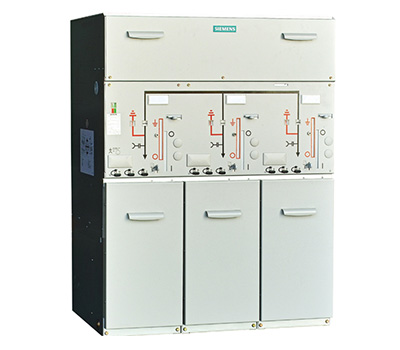
Key Notes for Cable Laying of Cable Distribution Boxes
Before laying the cables of cable distribution boxes, the following aspects require attention. Daya Electric shares some practical tips:
1. Cable Inspection
Prior to laying, check the type, specification of the cable, and inspect for mechanical damage and moisture. For 6-10kV cables, a 2500V megohmmeter shall be used for measurement. The insulation resistance of each kilometer of cable (at 20℃) shall not be less than 100MΩ; for cables of 3kV and below, a 1000V megohmmeter can be used, and the insulation resistance per kilometer of cable shall not be less than 50MΩ.
2. Excavating Cable Trenches and Laying Cables
Mark the cable laying path and trench width on the ground with white powder as required by the construction drawings, then excavate the trench in accordance with the cable laying method and burial depth requirements.
① Direct Buried Cable Laying for Cable Distribution Boxes
Excavate a trench with a depth of more than 0.8m on the ground. The trench width depends on the number of cables: approximately 600mm for a single cable. For cables below 10kV, the mutual spacing shall be at least 100mm. For each additional cable, the trench width shall be increased by 170-180mm. The cross-section of the cable trench shall be narrow at the bottom and wide at the top (about 200mm wider than the bottom). The trench bottom shall be flat; after removing stones, spread a 100mm-thick layer of sieved loose soil or sand as the cable cushion. The cable shall be laid loosely at the bottom of the trench to allow for expansion and contraction, then connect the intermediate and terminal joints. Cover the cable with another 100mm-thick layer of soft soil or sand, followed by concrete slabs, bricks, or stone protection plates. The coverage width shall extend 50mm beyond both sides of the cable diameter. Finally, backfill the trench with soil, raising the ground level by 150-200mm. Exposed concrete marker stakes shall be installed at both ends of the cable line, bends, and intermediate joint positions. The marker stakes shall indicate the cable type, specification, laying date, and line direction (see Figure 1-35: Directly Buried Cable (Unit: mm)) for easy maintenance.
② Cable Trench Laying for Cable Distribution Boxes
First, excavate a cable trench on the ground. The trench size depends on the number of cables. The trench walls shall be plastered with waterproof cement mortar. Cables shall be laid on angle steel brackets attached to the trench walls. The horizontal spacing between parallel cables shall not be less than 100mm, and the vertical spacing shall not be less than 150mm.
The above are the key precautions to be observed before laying the cables of cable distribution boxes.
This article is compiled and edited by Daya Electric Group Co., Ltd. (//yardscreeksoaring.com/). Reproduction is permitted with proper attribution.
- Inspecting the Quality of High-Voltage Ring Main Units (HV RMUs)Description and Characteristics of Solid-Insulated Ring Main Units (RMUs)
中文版
Service Hotline:0577-67391666